Cloned tags
A chip number is data. Data can be copied onto a different animal in minutes.

AsilBio gives every high-value camel, horse and racing bird a tamper-proof biometric identity — face, iris and periocular — verified in seconds at the field, and impossible to swap.

Built for the institutions that run the region's most valuable animals
In competitions where a single animal's breeding value runs into the millions, a tag is only as trustworthy as the person holding it. Bloodline fraud, tag-swapping and identity substitution are systemic — and invisible until it's too late.
A chip number is data. Data can be copied onto a different animal in minutes.
Paper lineage and photos can't prove that the animal at the gate is the animal on the certificate.
Without a cryptographic identity, every protest becomes one person's word against another's.
Our proprietary capture SDK runs on rugged ready-made terminals. All recognition happens in the AsilBio cloud — the device never needs to be trusted with the answer.
A guided RGB capture of the animal's face establishes the primary identity template.
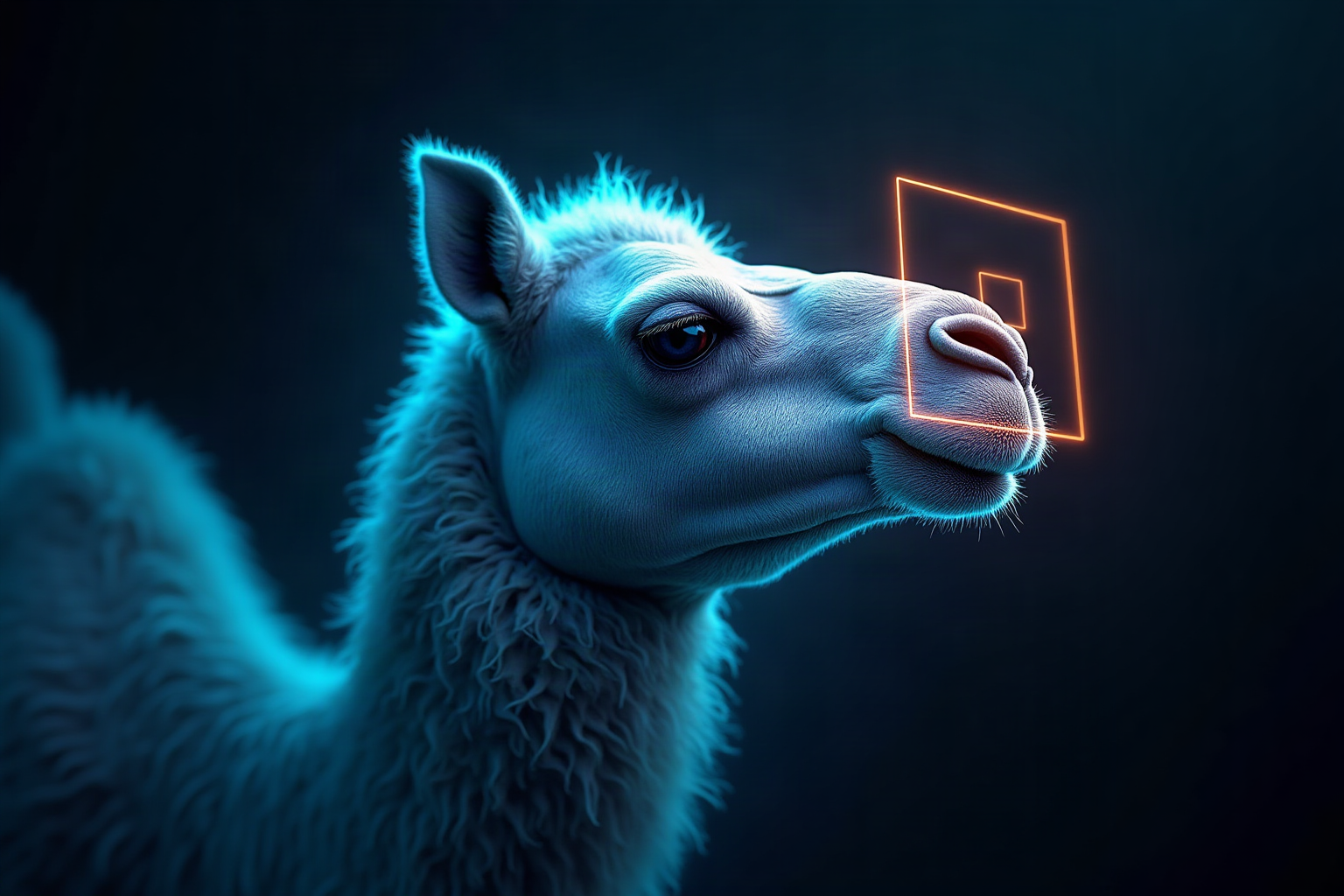
A near-infrared capture of the iris and periocular region adds an un-forgeable second key.

The device signs a tamper-evident manifest; the cloud fuses all modalities and returns a verified identity.

Camels and horses have horizontal, non-circular pupils; birds have small, fast-moving eyes. Our capture and recognition models are engineered for those realities — not adapted from human hardware.
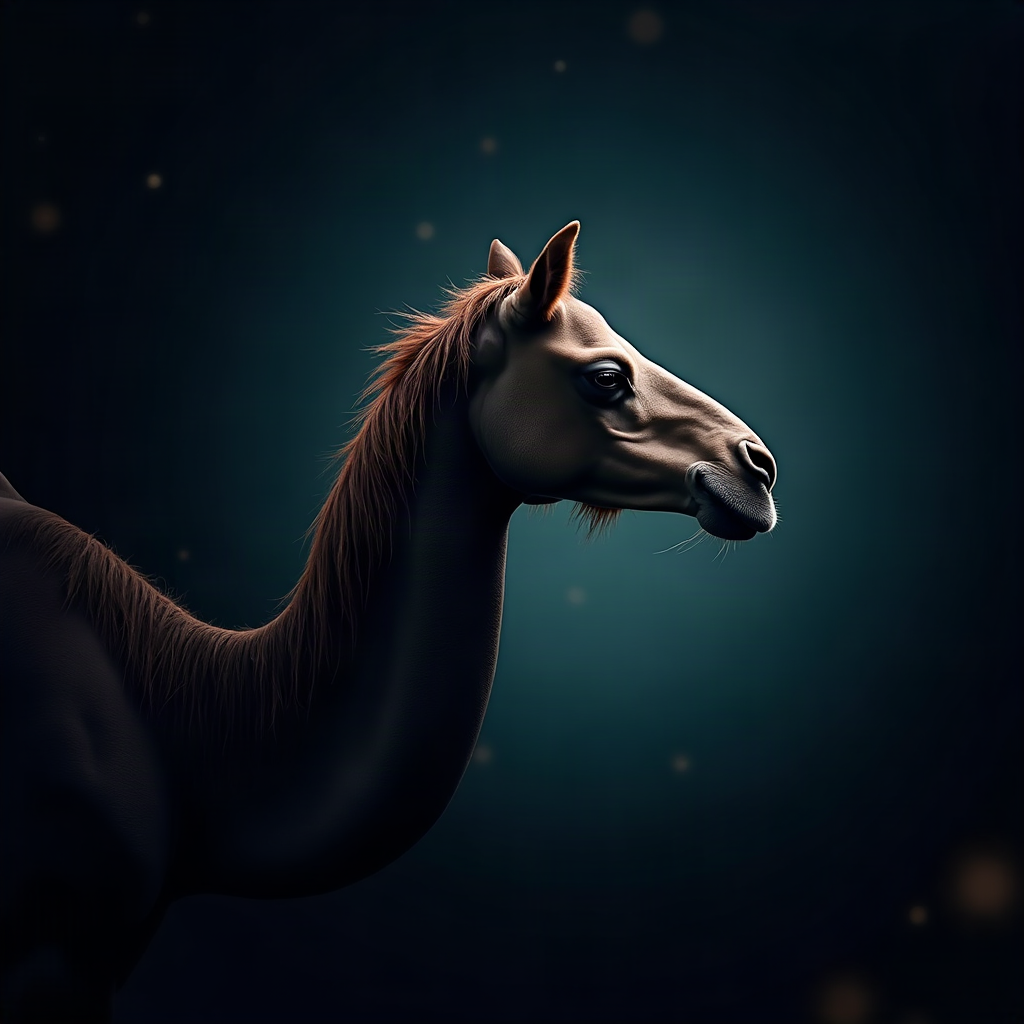
Racing & festival camels with multi-million breeding value.
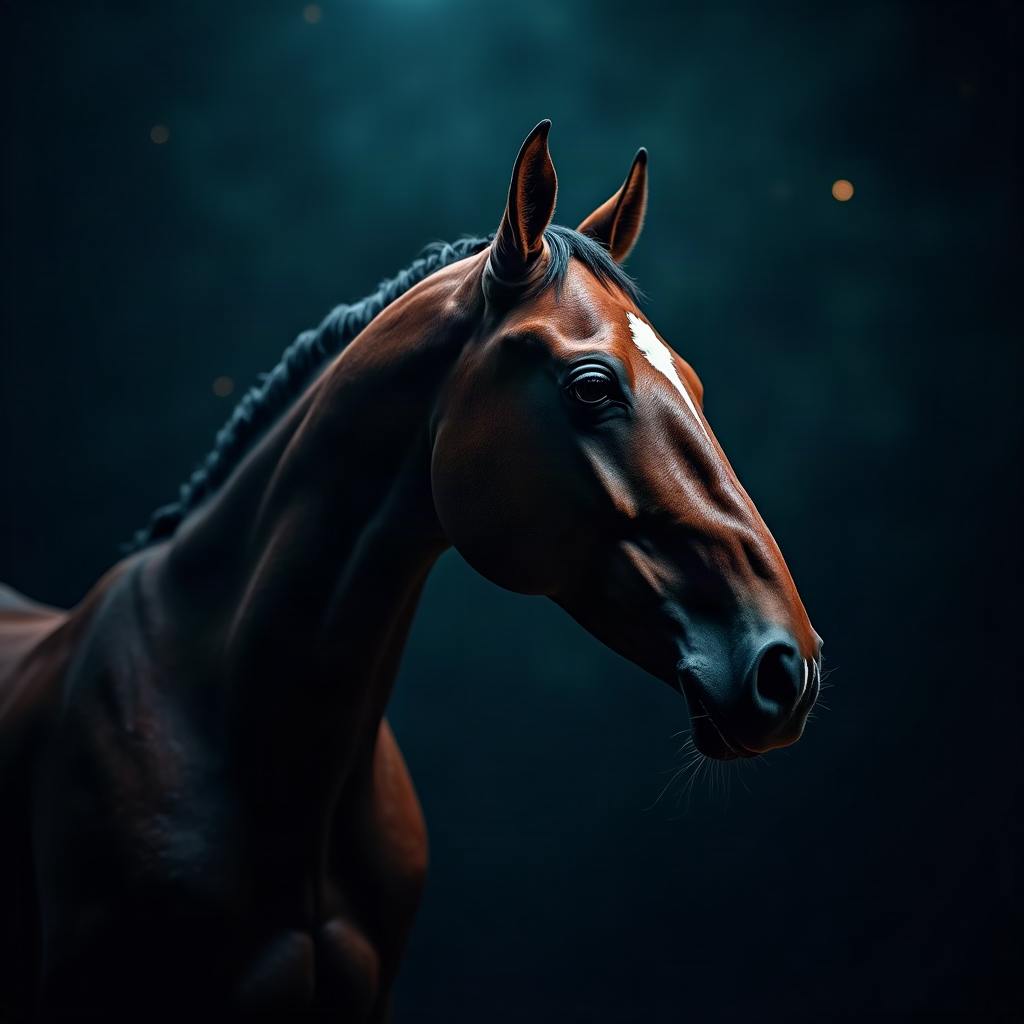
Endurance and show horses with certified lineage.
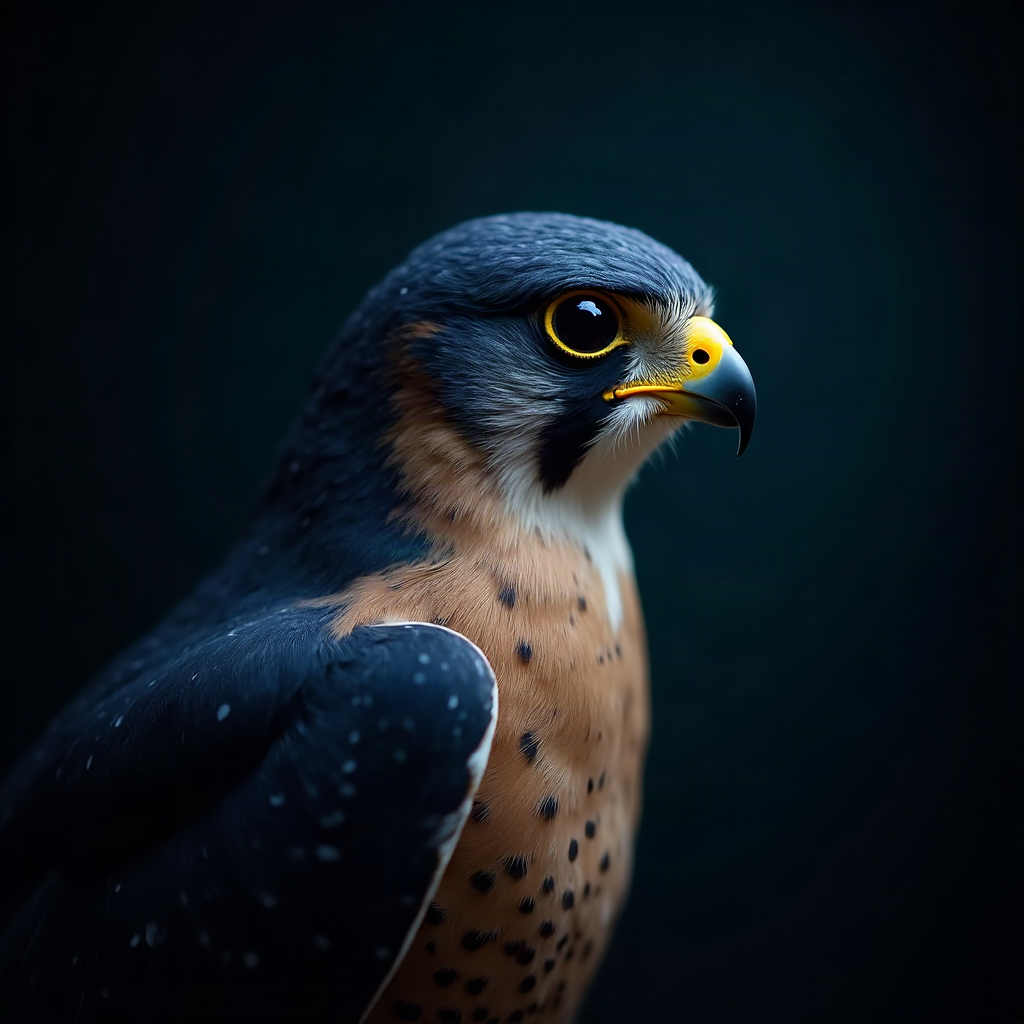
The region's most prized racing and hunting birds.
Our camel-iris identification method is the subject of a patent application filed with the UAE Ministry of Economy & Tourism on 18 October 2026 — the first filing on this method, and the priority date for our international filings.
Application reference MOE-Patents-PTA-0003593-20261018, submitted to the UAE Ministry of Economy & Tourism. Filing receipt issued 18 October 2026.
A method for identifying an individual camel by its iris, using slit-pupil elliptical normalisation and three-dimensional surface-relief analysis — built around camel anatomy rather than adapted from human iris algorithms.
On 18 enrolled camels, the system correctly identifies the individual in 96% of held-out iris probes with four images enrolled per animal, against a 5.6% chance level.
Application pending examination. Filing establishes a priority date; grant decisions rest with the Ministry.
Each device holds a hardware-backed (Android Keystore) signing key. Captures are bound to their session, hashed and ECDSA-signed before they ever leave the terminal — so an identity can never be forged from a photo or a database copy.
ECDSA P-256 signature per capture, verified server-side on every upload.
Single-use nonces and timestamp windows reject replayed or tampered payloads.
Face, iris and periocular scores are fused quality-aware — one weak modality can't carry a false match.
Every verification, device action and identity change is logged and attributable.
We're onboarding pilot partners across the UAE and GCC — racing authorities, festival organisers, studs and insurers.